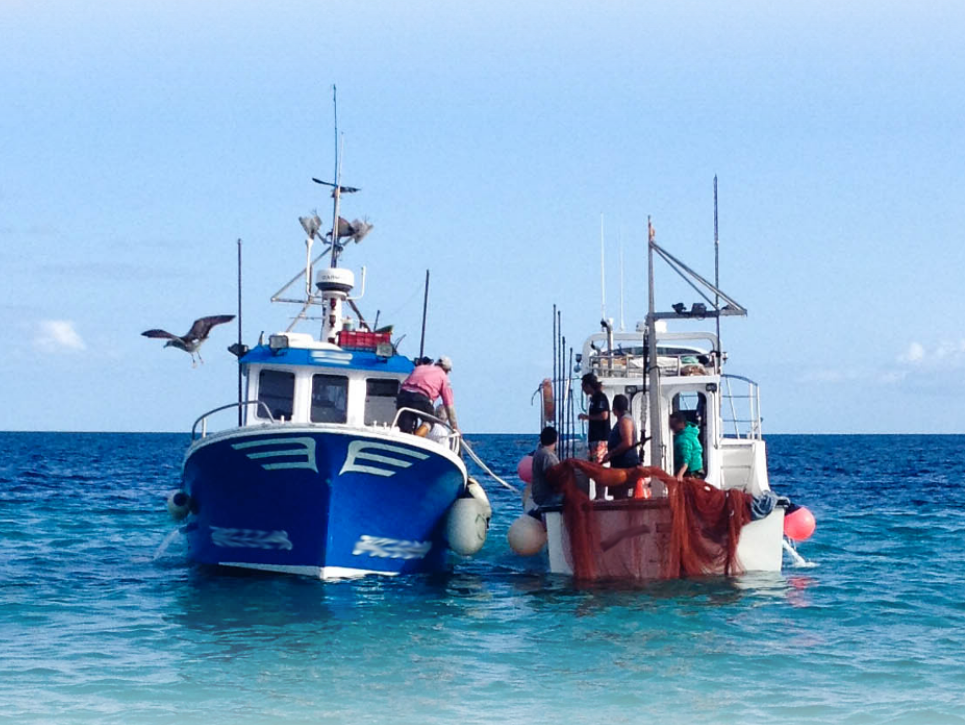
The role of relational values in marine conservation - REVALSEA
The global push to protect 30 % of the oceans by 2030 faces the challenge of balancing nature preservation with the need to avoid exacerbating existing resource use conflicts.
Understanding why people value their relationship with nature – i.e. relational values – is essential for shifting away from material valuations and fostering more inclusive and
effective conservation strategies. However, neglecting intergenerational gaps, and the need for innovative interdisciplinary and transdisciplinary research hinder the integration
of relational values into marine conservation policies. Supported by the Marie Skłodowska-Curie Actions programme, the REVALSEA project aims to address this issue and develop a
new approach to integrating the relational values of the small-scale fishers’ community into marine conservation efforts.
Read more
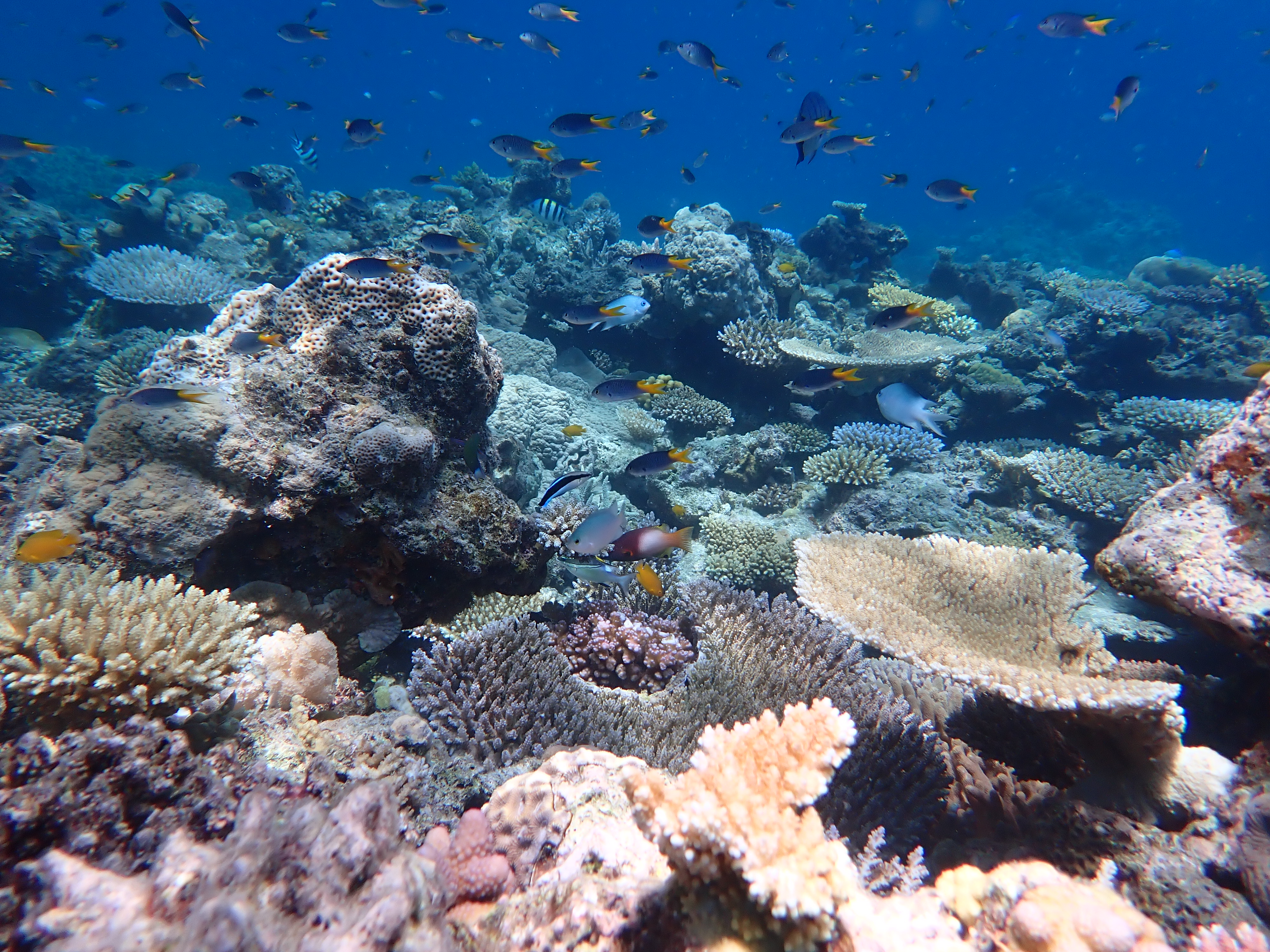
Understanding resilience through a functional perspective in the face of global change – RESIREEF
Preventing the collapse of marine ecosystems is a global priority, yet accelerating human impacts erode resilience, pushing fish communities
towards destructive functional phase shifts. These shifts, detrimental to biodiversity and the livelihoods of millions, are difficult to anticipate
due to a lack of predictive methods regarding their location and timing. Supported by the Junta de Andalucía Postdoctoral programme, the RESIREEF project
aims to investigate and forecast these sudden, catastrophic functional phase shifts in marine fish communities. It will explore resilience through a
novel functional dimension, integrating theoretical resilience knowledge with empirical functional traits. By leveraging data from open databases on
current and projected species distributions, and employing network-based approaches to understand and quantify resilience, RESIREEF seeks to identify
vulnerable areas and predict the timing of potential ecosystem collapses, offering critical insights for proactive conservation.